
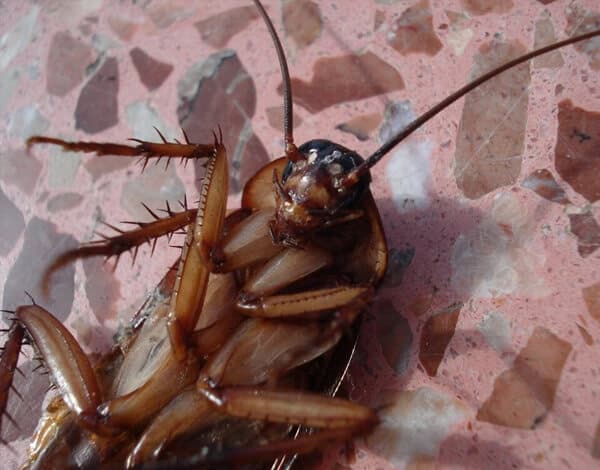
Living in Charleston comes with its charm: beautiful historic sites, stunning architecture, and a vibrant cultural scene. However, the warm and humid climate also makes it a hotspot for various pests.
Whether you’re dealing with termites, mosquitoes, or rodents, it’s important to know the do’s and don’ts of pest control to keep your Charleston home pest-free.
Do’s of Pest Control in Charleston
- Do Try Pest Prevention First: Prevention is your first line of defense. Remove sources of food, water, and shelter to make your home less inviting to pests.
- Do Store Food Properly: Store food in sealed plastic or glass containers. Place garbage containing food scraps in tightly covered trash cans and remove it regularly.
- Do Fix Leaky Plumbing: Fix any leaky plumbing and avoid water accumulation in your home. Don’t let water collect in trays under house plants or refrigerators. Avoid leaving pet food and water out overnight.
- Do Reduce Clutter: Clutter provides places for pests to breed and hide. Get rid of stacks of newspapers, magazines, or cardboard to make it harder for pests to thrive.
- Do Seal Entry Points: Close off places where pests can enter and hide. Caulk cracks and crevices around cabinets and baseboards. Use steel wool to fill spaces around pipes and cover any holes with wire mesh.
- Do Regular Inspections: Regular inspections are crucial for identifying early signs of infestations. Check for pests in packages or boxes before bringing them into your home.
- Do Use Natural Remedies: Natural remedies can be effective for pest control. Diatomaceous earth can deter ants, while essential oils like peppermint and eucalyptus can repel spiders and rodents. These methods are safer for your family and pets.
- Do Hire a Professional: Sometimes, DIY methods aren’t enough to handle a severe infestation. Hiring a professional pest control service in Charleston ensures that the problem is dealt with effectively and safely.
- Do Safely Use Pesticides: If preventive steps aren’t enough, use baits as a first line of chemical defense against insects or rodents. These are often effective and can be used with low risk of exposure as long as they are kept out of reach of children and pets. Always read and follow pesticide label instructions and safety warnings.
Don’ts of Pest Control in Charleston
- Don’t Ignore the Problem: Ignoring a pest problem won’t make it go away; it will only worsen over time. Pests can cause significant damage to your property and pose health risks to your family.
- Don’t Use Harmful Chemicals Indiscriminately: Avoid using harsh chemicals that can be harmful to your health and the environment. Consult your local cooperative extension service for recommendations on relatively low-risk pesticides suitable for your area.
- Don’t Leave Food Out: Leaving food out is an open invitation for pests. Clean up after meals, store leftovers properly, and keep kitchen counters free of crumbs and spills. Pay special attention to pet food, as it can also attract unwanted guests.
- Don’t Overlook Standing Water: Standing water is a breeding ground for mosquitoes and other pests. Eliminate any sources of standing water around your property, such as clogged gutters, birdbaths, and flower pots.
- Don’t Forget About Outdoor Spaces Your yard can also be a haven for pests. Keep your lawn trimmed, remove debris, and store firewood away from your home. Regularly inspect outdoor furniture and playsets for signs of pests.
- Don’t Use Outdoor Chemicals Indoors: Many chemicals intended for outdoor use are dangerous indoors because they remain toxic longer inside. Always use chemicals as directed on the label and never assume that twice as much is better.
- Don’t Transfer Pesticides to Other Containers: Store pesticides in their original containers to avoid accidental poisoning. Only mix as much as you need at one time and never use empty pesticide containers to store anything else.
- Don’t Use Fogging Devices Unless Necessary: Use fogging devices only when absolutely necessary and always follow the instructions on the pesticide label.
Pest control in Charleston requires a proactive and informed approach. By following these do’s and don’ts, you can keep your home and family safe from the various pests that thrive in the Lowcountry’s warm and humid environment. Remember, when in doubt, it’s always best to consult with a professional pest control service to ensure your home remains a pest-free sanctuary.
