
If you live in the Charleston area, you’ve likely crossed paths with local wildlife at some point. With warm temperatures, high humidity, and dense vegetation, the Lowcountry provides ideal habitat for a variety of species—some harmless, others worth avoiding. Here’s what Charleston homeowners should know about these visitors and how to reduce unwanted encounters.
Common Species Around Charleston
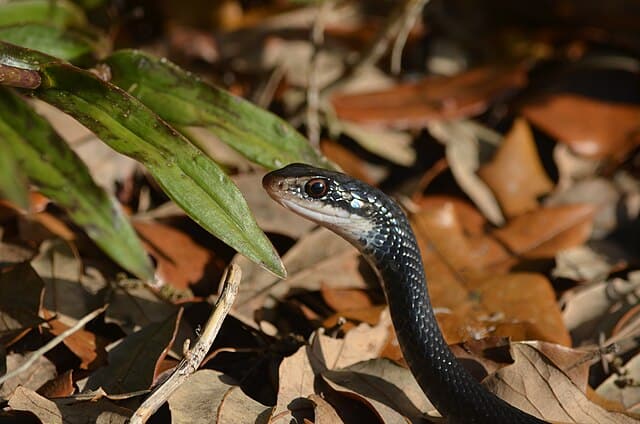
Southern Black Racer
Understanding which creatures are common in our region can make encounters less stressful and help you know when to be cautious.
Harmless (Non-Venomous)
- Black Racers: Fast-moving and shy; often seen darting through grass.
- Rat Snakes: Excellent climbers that help control rodents.
- Garter Snakes: Small, striped, and often found near gardens or water.
- Rough Green Snakes: Thin, bright green, and usually hidden in shrubs.
Venomous (Use Caution)
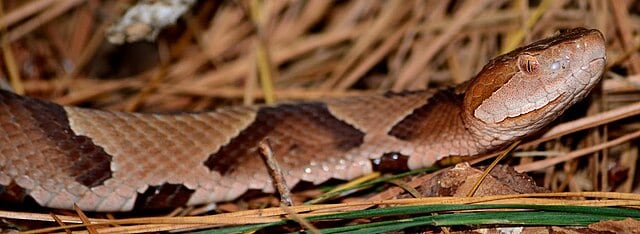
Southern Copperhead
- Copperheads: Brown with hourglass markings; often found in wooded or landscaped areas.
- Cottonmouths (Water Moccasins): Typically near creeks or swamps and can be defensive when approached.
- Rattlesnakes: Rare but possible in rural or sandy environments.
Most of the species you’ll encounter are harmless and even beneficial, but it’s understandable that many homeowners prefer to keep them at a distance.
Why Harmless Species Are Helpful
Many of the non-venomous varieties play an important role in maintaining a balanced ecosystem. They naturally reduce populations of rodents, insects, and even other reptiles—providing free pest control without chemicals or traps.
Black Racers
These quick, slender reptiles are completely harmless to people and pets. They feed on rats, mice, insects, and even other species. Most are simply passing through and will move away once they sense no threat.
Eastern Rat Snakes
Also called black rat snakes, these strong climbers often live near barns, sheds, and wooded areas. They help keep rodent numbers down, reducing the risk of disease and property damage.
Garter Snakes
Small and striped, garter snakes are commonly found in gardens and grassy areas. They feed on insects, frogs, and small rodents, making them a helpful presence around your yard.
Rough Green Snakes
These bright green, vine-like reptiles blend easily into bushes and shrubs. They are gentle, harmless, and feed mostly on insects such as crickets, spiders, and caterpillars.
The Big Picture: Natural Pest Control
All of these non-venomous species contribute to keeping rat, mouse, and insect populations in check. By reducing the number of pests around your home, they also make your property less appealing to venomous species, which often follow food sources.
Let These Slithering Visitors Be
It’s normal to feel startled when you see one of these garden visitors, but most are shy and uninterested in confrontation. If you spot a harmless species, the best approach is to give it space and let it move on.
If you’re ever unsure what you’re looking at, it’s always safe to keep your distance and contact a local wildlife expert for identification.
How to Make Your Yard Less Attractive to Wildlife
- Cut Back Tall Grass and Shrubs: Overgrown areas provide cover. Keep your lawn trimmed and hedges pruned.
- Remove Debris: Wood piles, bricks, and leaf litter create hiding spots for both wildlife and the rodents they hunt.
- Seal Gaps and Holes: Small openings in crawlspaces, sheds, or garages can allow entry. Seal cracks and repair damaged vents or doors.
- Get Rid of Rodents: If you have mice or rats, you’re more likely to attract unwanted visitors. Our pest control services can help eliminate these issues safely.
- Keep Pet Food Indoors: Outdoor food attracts rodents, which in turn attract predators. Store food in sealed containers.
- Limit Standing Water: Birdbaths, fountains, and clogged gutters attract frogs and insects—both food sources. Keep water features clean and maintained.
Should You Be Worried?
Occasional sightings are normal. Frequent activity—or signs of rodents—may indicate a larger issue. Barrier Pest Services offers year-round pest control to reduce the conditions that attract wildlife in the first place.
Final Tip: Don’t Try to Remove Wildlife Yourself
If one finds its way into your home or garage, avoid trying to catch or kill it. Even harmless species may bite when threatened. Contact animal control or a licensed wildlife removal expert for safe handling.
Frequently Asked Questions
What time of year are snakes most active in Charleston?
Activity increases in spring and peaks in summer and early fall when temperatures are warmest.
How can I tell if a snake is venomous?
Venomous species in the Lowcountry typically have triangular heads, vertical pupils, and distinct color patterns. When in doubt, keep your distance and contact a wildlife expert.
Do pest control treatments help reduce snake activity?
Yes. By reducing rodents and insects—their primary food sources—you make your property less appealing to them.
Protect Your Yard the Smart Way
Wildlife is part of life in coastal South Carolina, but that doesn’t mean you have to welcome it into your yard. By removing food sources and hiding spots, you can enjoy your outdoor space with more peace of mind. Need help keeping pests away? Contact Barrier Pest Services for expert pest control in Charleston, Mount Pleasant, Summerville, Goose Creek, Hanahan, and nearby areas.
