
 Living in the Charleston, SC coastal area means enjoying beautiful weather, scenic views, and a vibrant outdoor lifestyle. However, it also comes with the challenge of dealing with pests that thrive in the warm, humid climate. From common household invaders like ants and termites to seasonal nuisances such as stink bugs, keeping your home free from pests is essential for maintaining comfort and peace of mind.
At Barrier Pest Services, we specialize in providing reliable and effective pest control services tailored to the unique needs of the Charleston area. Whether you’re dealing with an infestation or taking preventive measures, our expert team is here to help protect your home and property from unwanted pests.
What Are Stink Bugs?
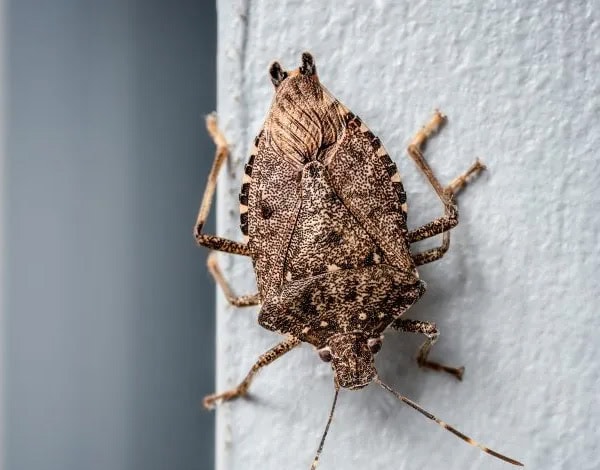
Stink bugs, also known as Halyomorpha halys, are insects from East Asia that have spread to North America and Europe. These bugs are easily recognized by their shield-shaped bodies and the strong odor they release when threatened or crushed. Here’s a breakdown of their key features:
- Appearance: Stink bugs have shield-shaped bodies that are brown or green with mottled patterns. They have six legs and two pairs of wings, with triangular-shaped wings when folded.
- Size: Adult stink bugs are about 1.5 centimeters (0.6 inches) long, though their size can vary.
- Feeding Habits: Stink bugs are herbivores, feeding on plants like fruits, vegetables, grains, and ornamental plants. They damage crops by using piercing-sucking mouthparts to extract sap.
- Life Cycle: Stink bugs go through three stages: egg, nymph, and adult. Females lay eggs on leaves, which hatch into nymphs. These nymphs molt several times before becoming adults.
- Defense Mechanism: Stink bugs are known for the foul odor they release when threatened. This smell helps deter predators and can linger on surfaces if the bug is crushed.
- Overwintering Behavior: In colder areas, stink bugs look for warm indoor spaces to survive the winter. They often gather on the outside of homes and find their way inside through cracks and gaps.
While stink bugs don’t harm humans or pets directly, they can damage crops and become a nuisance inside homes.
Why Stink Bugs Come Indoors
Stink bugs typically invade homes in the fall and winter as they seek warmth and shelter. Here are the main reasons they come indoors:
- Seeking Warmth: As temperatures drop, stink bugs look for a warm place to survive. Your home offers a perfect refuge from the cold.
- Overwintering Behavior: In colder regions, stink bugs gather on buildings’ exteriors and may enter homes through small openings to find warmth.
- Attracted by Light: Stink bugs are attracted to light, especially at night. Outdoor lights or windows can draw them inside.
- Hitchhiking: Stink bugs often travel into homes on clothing, bags, furniture, or other items that have been outside.
- Pheromone Communication: If a few stink bugs enter your home, they release chemicals that attract others, leading to a larger infestation.
- Foraging for Food: Stink bugs may enter homes in search of food, especially if there’s nearby vegetation.
- Accidental Entry: Sometimes, stink bugs simply wander inside through small openings.
Why We See Stink Bugs in Spring
While stink bugs are most active in the fall and winter, they can also appear in spring. Here’s why:
- Emerging from Overwintering Sites: Stink bugs emerge from sheltered areas once spring arrives and temperatures warm up. Some may accidentally find their way inside.
- Seeking Breeding Sites: Spring is mating season for stink bugs, and they may wander indoors while searching for mates or places to lay eggs.
- Attracted by Light and Warmth: As temperatures rise, stink bugs become more active and may be drawn to light sources or warmth, increasing their chances of entering your home.
- Accidental Entry: Open doors and windows provide easy access for stink bugs during spring, especially if your home is near areas where stink bugs gather.
How to Get Rid of Stink Bugs
If you have stink bugs in your home, here are some ways to remove them:
- Physical Removal: Use a vacuum to remove stink bugs from walls, floors, and other surfaces. Empty the vacuum immediately to avoid spreading the odor.
- Seal Entry Points: Check your home for cracks or gaps and seal them to prevent stink bugs from entering.
- Trap and Release: Set up traps, such as placing a pan of soapy water under a light. Stink bugs will fall in and drown.
- Outdoor Lighting Modification: Reduce outdoor lighting or switch to yellow or sodium vapor lights, which attract fewer stink bugs.
- Chemical Control: If necessary, use insecticides designed for stink bug control, following the manufacturer’s instructions.
- Professional Pest Control: If you have a severe infestation, consider hiring a professional pest control service for effective treatment.
- Preventative Measures: Keep vegetation away from your home, repair screens, and seal cracks to stop stink bugs from entering in the future.
How to Keep Stink Bugs Out
To prevent stink bugs from entering your home, follow these tips:
- Seal Cracks and Gaps: Check the outside of your home for cracks and gaps. Seal them with caulk or weatherstripping.
- Install Screens: Put screens on windows, doors, and vents to keep stink bugs out while allowing for ventilation.
- Repair Damaged Screens: Fix any holes or tears in window and door screens to block entry.
- Use Door Sweeps: Install door sweeps to prevent stink bugs from crawling under doors.
- Secure Chimneys and Attic Vents: Cover chimneys and attic vents with mesh to block stink bugs.
- Reduce Outdoor Lighting: Reduce outdoor lighting or use yellow lights, which are less attractive to stink bugs.
- Minimize Vegetation: Trim plants and shrubs near your home to prevent stink bugs from using them as entry points.
- Seal Entry Points Indoors: Seal gaps around pipes, electrical outlets, and baseboards inside your home.
- Use Essential Oils: Some essential oils, like peppermint or eucalyptus, repel stink bugs. Spray diluted oil around entry points.
- Maintain Cleanliness: Clean up food crumbs and spills, and vacuum regularly to remove stink bugs and their eggs.
By taking these steps, you can keep stink bugs out of your home and reduce their presence.
Frequently Asked Questions about Stink Bugs
If you’re dealing with a large infestation, or if stink bugs are consistently entering your home in Mount Pleasant or Summerville, it’s a good idea to call a pest control professional who can provide effective removal and prevention strategies.
Yes, stink bugs tend to return each year to the same spots, including homes in areas like Charleston and the surrounding suburbs. They overwinter in these locations, so taking preventive measures can help keep them at bay.
Yes, natural repellents like peppermint oil, garlic, and lavender can help deter stink bugs. Planting these around your home or using essential oils inside can help reduce their presence, especially around areas like James Island or Folly Beach.
While stink bugs don’t cause structural damage, they can stain surfaces if crushed. Their lingering odor can also make living spaces uncomfortable, especially if they invade homes in cities like West Ashley or Goose Creek.
Stink bugs are drawn to warmth, which makes homes in Charleston and the surrounding region an attractive shelter as temperatures drop. They’re also attracted to outdoor lights and can enter homes through small cracks or gaps in windows and doors.
Signs of an infestation include noticing stink bugs near light sources, windows, or doors, especially in the fall and winter. The distinctive musty odor they emit when threatened is another indicator that they’ve made their way into your home.
Yes, stink bugs can damage gardens, particularly in areas around Charleston and its surrounding cities. They feed on fruits, vegetables, and ornamental plants, which can result in significant damage to local gardens and crops.
No, stink bugs do not bite or sting. While they don’t pose a direct threat to humans or pets, they can be quite a nuisance, especially when they invade homes in the colder months in places like Summerville or North Charleston.
Stink bugs are most active during the fall and early winter months. As the temperatures drop in Charleston and its neighboring towns, stink bugs often look for shelter inside homes and buildings.
Yes, stink bugs, particularly the brown marmorated stink bug, are commonly found in Charleston, Mount Pleasant, and other nearby areas. These pests are especially active in the cooler months when they seek warmth indoors.
