
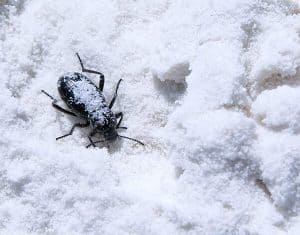
Even in the coldest months, winter pests still find a way. Learn how to keep your home safe from these hardy invaders this season!
Winter in Charleston, South Carolina, is milder than in many other parts of the country. While we may not experience heavy snow or extreme freezing temperatures, we do see cooler weather that can impact pests. Many people assume that insects simply die off in the winter, but that’s not entirely true. While some pests slow down, others remain active or find ways to survive until spring. In this post, we’ll explore how winter pests, including termites, roaches, and rodents, make it through the colder months and why pest control is still essential in winter.
Do Bugs Die in the Winter?
The short answer is no—not all insects die in winter. Many pests have survival mechanisms that help them endure cold weather. Some go into a dormant state, while others seek warmth and shelter indoors. This is why winter pest control remains crucial year-round.
How Different Winter Pests Survive in Charleston
1. Termites: Still a Year-Round Threat
Termites are a major concern in Charleston due to the warm, humid climate. Unlike other pests, termites don’t hibernate. Subterranean termites, which are common in South Carolina, burrow deeper into the soil where temperatures remain stable. If they’ve already infested a home, they continue feeding on wood through the winter. Since they stay hidden, winter is actually a great time to schedule an inspection before swarming season starts in spring.
2. Cockroaches: Seeking Warmth Indoors
Cockroaches are another pest that thrives in Charleston, especially in older homes or areas with high moisture. When temperatures drop, roaches look for warmth, often making their way into kitchens, basements, and bathrooms. Since they carry bacteria and allergens, a winter roach infestation can be just as concerning as a summer one.
3. Ants: Dormant but Not Gone
Some ants slow down in winter, but they don’t disappear. Many ant colonies burrow deeper into the ground to escape the cold, while others seek food and shelter indoors. If you’ve had an ant problem in the past, don’t assume they’re gone for good—they may simply be waiting for warmer weather to become active again.
4. Mosquitoes: Surviving Until Spring
Charleston is known for its mosquito problems, especially in humid months. While mosquito activity decreases in winter, these pests don’t completely die off. Female mosquitoes lay their eggs in standing water, where they remain dormant until temperatures rise again. This means that controlling standing water in winter can help reduce mosquito populations in spring.
5. Rodents: A Bigger Problem in Cold Weather
While rodents aren’t insects, they are one of the most common winter pests. Rats and mice seek shelter in homes, garages, and attics when temperatures drop. Since Charleston’s mild winters don’t force them into full hibernation, rodents stay active, scavenging for food and nesting materials.
Why Winter Pest Control Is Important
Even though some winter pests become less active in winter, they aren’t truly gone. Here’s why you should maintain pest control efforts year-round:
- Prevent infestations before spring: Many pests, including termites and ants, remain hidden in winter and become more active when temperatures rise. Treating them early can prevent larger infestations.
- Rodents are more likely to enter homes: Mice and rats are looking for warmth and food, and once they settle in, they can be hard to remove.
- Pests can damage your home in winter: Termites continue feeding on wood structures, while rodents chew through wires and insulation.
- Cockroaches and other insects carry bacteria: A winter pest infestation can still pose health risks.
Winter Pest Prevention Tips for Charleston Homes
- Seal Entry Points: Check for gaps around doors, windows, and pipes where winter pests can enter. Use caulk or weatherstripping to seal cracks.
- Reduce Moisture: Pests like termites and cockroaches thrive in damp environments. Fix leaks and use dehumidifiers if necessary.
- Keep Food Stored Properly: Rodents and roaches are drawn to food sources. Store dry goods in airtight containers and clean up spills quickly.
- Eliminate Standing Water: Check for clogged gutters, leaky outdoor faucets, and areas where water pools. Mosquitoes and other pests use these for breeding.
- Schedule a Winter Pest Inspection: professional inspection can identify hidden winter pest activity before it becomes a bigger problem.
Bugs don’t simply die in the winter, especially in a mild climate like Charleston’s. Many winter pests survive by seeking shelter, going dormant, or continuing their usual activity in hidden places.
Termites, roaches, rodents, and other pests can still pose a threat to your home, making winter pest control just as important as in any other season. By taking preventive steps and scheduling inspections, you can keep your home pest-free year-round.
If you’re concerned about winter pests, contact us today to make sure your home stays protected!
